
The Essays of Francis Bacon
£1.99Bacon’s short, quotable essays on truth, ambition, friendship, and dozens of other subjects, written in prose so dense with observation it’s still mined for quotations.
Showing 161–176 of 321 results
Bacon’s short, quotable essays on truth, ambition, friendship, and dozens of other subjects, written in prose so dense with observation it’s still mined for quotations.
Machiavelli’s blunt, unsentimental manual on acquiring and keeping political power — still the handbook nobody admits to reading.
A Venetian merchant’s account of two decades travelling the Silk Road to the court of Kublai Khan, which introduced Europe to the wonders of the East.

An ex-convict spends his life fleeing his past and doing good by stealth, pursued relentlessly by a police inspector who cannot forgive.
A wild wolf-dog is gradually tamed by human kindness, in London’s mirror image to The Call of the Wild.
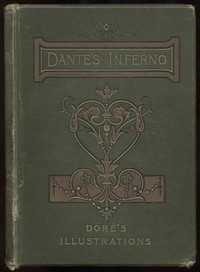
Guided by the poet Virgil, Dante journeys through Hell, Purgatory, and Paradise in the towering allegory of the medieval imagination.
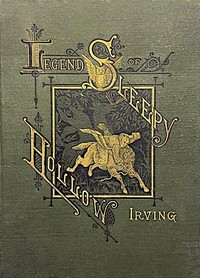
A superstitious schoolteacher courts the local heiress and is chased out of town by a headless horseman — or a rival in a clever costume.

A talkative orphan sent to Prince Edward Island by mistake wins over her adoptive family with sheer force of imagination.

An orphaned, sour-tempered girl discovers a locked, neglected garden and slowly brings it — and herself — back to life.
A Danish prince feigns madness to avenge his murdered father, and talks himself into the most famous indecision in literature.

Nietzsche attacks conventional morality, truth, and philosophy itself, arguing that traditional values are just disguised expressions of power.
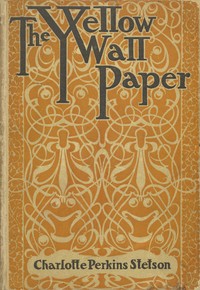
A woman confined to a room for her ‘nervous condition’ becomes obsessed with the pattern in the wallpaper, and with what she sees moving behind it.
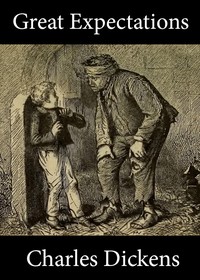
An orphan boy’s mysterious benefactor transforms his life, in Dickens’ sweeping tale of ambition, guilt, and the true meaning of being a gentleman.

Xenophon’s firsthand account of ten thousand Greek mercenaries stranded deep in Persia, and their desperate march back to the sea.

The tortoise and the hare, the boy who cried wolf, and dozens of other animal fables attributed to a Greek slave, still teaching morals 2,500 years later.

Thoreau retreats to a cabin by a pond to live deliberately, and comes back with a case against the noisy, acquisitive pace of modern life.