
Pushing to the Front (Audiobook)
£4.99Victorian-era profiles of self-made achievers, offered as proof that persistence and character could overcome any disadvantage of birth.
Showing 65–80 of 84 results

Victorian-era profiles of self-made achievers, offered as proof that persistence and character could overcome any disadvantage of birth.

An orphaned New England girl is sent to live with two stern aunts and gradually thaws their household with her irrepressible spirit.
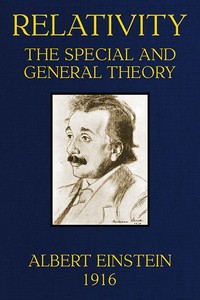
Einstein explains his own theory of relativity in plain language, written for readers with a general scientific background rather than fellow physicists.

Shipwrecked and alone for decades, Robinson Crusoe rebuilds civilisation from scratch on a desert island.

Two feuding Verona families, two teenagers in love, and a plan that goes wrong in almost every possible way.

Two sisters, one ruled by passion and one by restraint, navigate love and heartbreak after their family’s sudden fall from fortune.
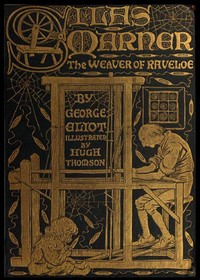
A wrongly accused weaver withdraws from the world entirely, until an abandoned child gives him a reason to rejoin it.

A pious fraud worms his way into a wealthy household and nearly makes off with the wife, the daughter, and the family fortune, in Molière’s most notorious comedy.

A young woman’s life is destroyed by one night’s crime and the hypocrisy of the men who judge her for it, in Hardy’s bleakest tragedy.
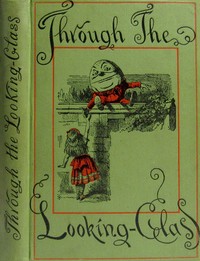
Alice steps through a mirror into a chess-board world of talking flowers, twin brothers, and a very confusing Red Queen.
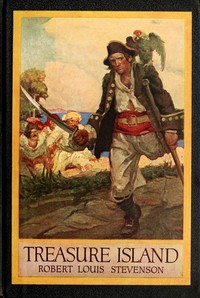
A cabin boy, a buried fortune, and one of literature’s greatest villains, Long John Silver, in the story that defined the pirate adventure.

Captain Nemo pilots the submarine Nautilus through the world’s oceans, hunted as a menace and revered as a genius.

A Harvard student drops out to spend two brutal years as a common sailor rounding Cape Horn, and writes the classic account of life before the mast.
The abolitionist novel that galvanised a nation, following the enslaved Tom through the cruelty and occasional kindness of the antebellum South.
Booker T. Washington traces his path from enslaved child to founder of the Tuskegee Institute, arguing that education and self-reliance were the routes to Black advancement.

Mill lays out the case for judging actions by their consequences, and for the greatest happiness of the greatest number, in the classic statement of utilitarian ethics.